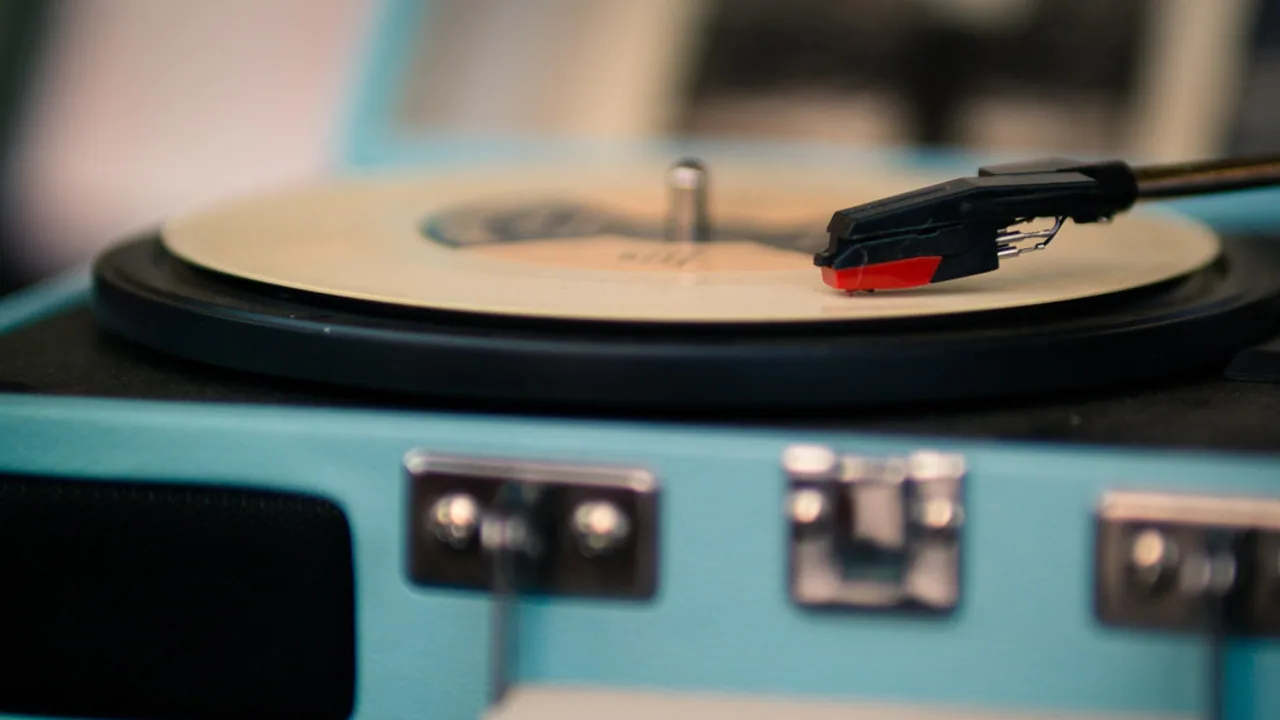
Vinyl should not still be this big, and yet here we are. In a world where nearly every song is one tap away, people continue to buy records that are heavier, slower and more awkward to store. That is not irrational behaviour. It is a reminder that music has never only been an audio file. It has always been an object, a ritual and a way of saying this record matters enough to keep.
The format survives because it solves a problem streaming cannot. Streaming is convenient, but convenience is not the same thing as attachment. A record asks for a decision. It has artwork, sequence, surface, weight and a cost that makes the purchase feel deliberate. That deliberateness is valuable in a market where everything else feels designed to disappear the moment the next track starts.
Why collectors keep showing up
Collectors are not all the same kind of buyer. Some want rarity. Some want sound. Some want the satisfaction of owning the version that matches the memory of hearing the record for the first time. Others simply want music to take up space in the room again. The common thread is that vinyl turns listening into an act with edges. It is harder to ignore a thing that occupies shelf space and demands a turn of the body.
For artists, that matters commercially and creatively. Vinyl creates premium pricing, merchandising opportunities and another reason for fans to buy directly instead of only streaming the catalog. It also forces a different kind of album thinking. Sequencing matters more. Side A and Side B matter more. The record becomes a shape the listener has to inhabit, not just a bundle of singles waiting to autoplay.
The format is the point
The deeper appeal may be emotional rather than economic. In a digital market, scarcity is rare. Vinyl restores it. A limited pressing feels finite in a way a stream never can, and finite things tend to collect meaning faster. That is why collectors will argue about mastering, pressing plants, color variants and packaging with a seriousness that looks absurd until you realise they are describing how they value attention.
Physical formats create rituals that make listening feel intentional.
Premium packaging gives artists another canvas for identity.
Scarcity keeps certain records culturally alive long after release week.
Vinyl will never replace streaming, and it does not need to. Its future is in being the format that says the opposite of disposable. That is a powerful position in a culture where almost every other music product is optimized for speed. The records endure because they ask for patience, and patience is still one of the most luxurious things a listener can give.
That is why vinyl remains one of the strongest stories in music. It is not nostalgia. It is proof that physical objects still have a role when the emotional stakes are high enough.
Why it keeps selling
Vinyl endures because it gives a record a body. The object sits in a room, the sleeve ages, the choice feels deliberate and the listening becomes memorable in a way a background stream rarely can. That kind of memory is what collectors are really buying.
The format will stay strong as long as artists keep making records that reward being held, not just heard.